Was bewirkt ein Peeling und welches passt zu mir?

ANWENDUNGEN UND DIY-REZEPTE FÜR KÖRPER- UND GESICHTSPEELINGS

Mit einem Peeling holen Sie sich das Spa-Feeling nach Hause. Was Gesichtspeelings von Varianten für Körper, Hände und Füsse unterscheidet und was Sie bei der Anwendung beachten sollten, lesen Sie hier.

Give yourself a refreshing treatment!

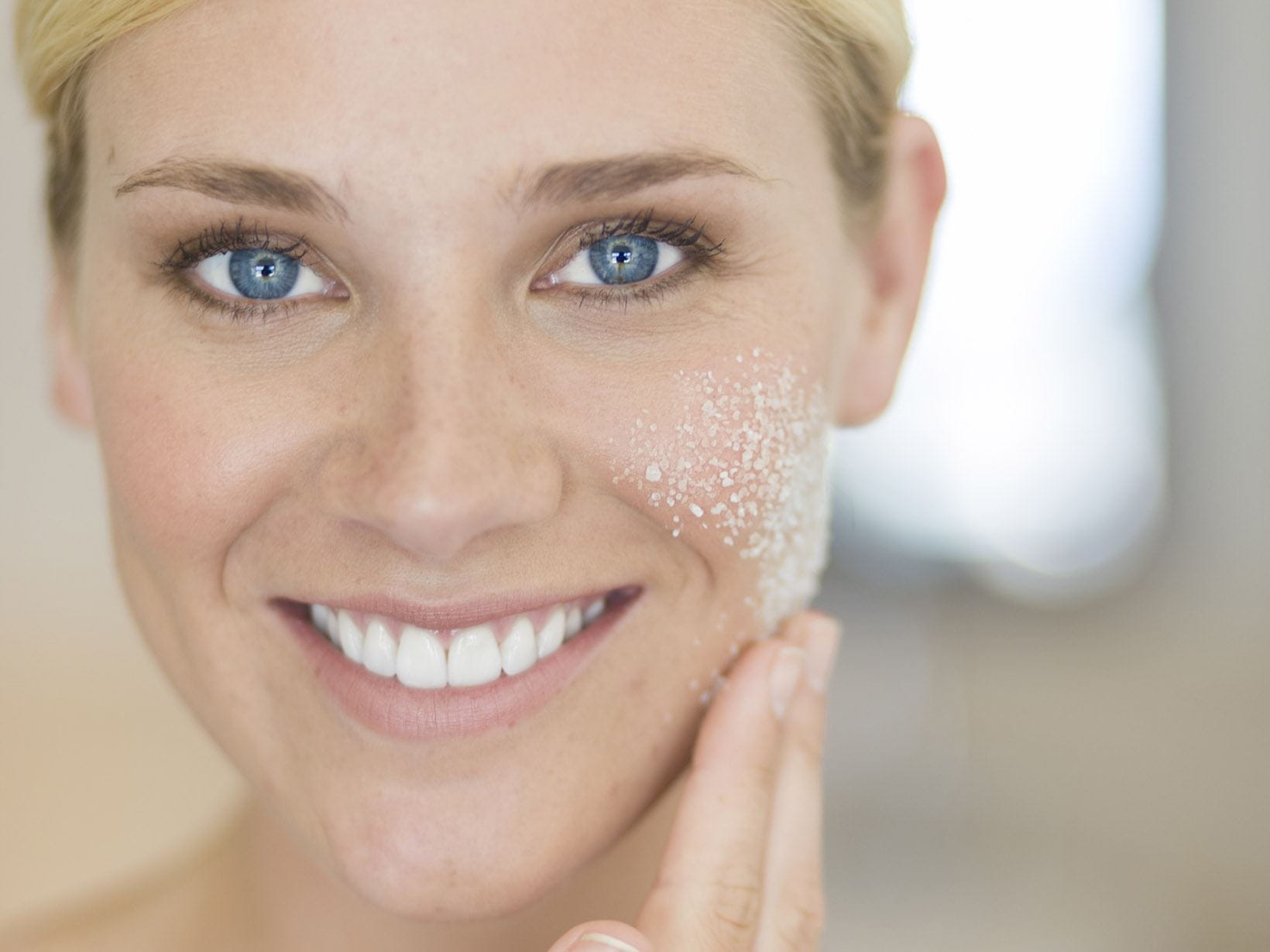
Our skin cells renew themselves regularly: our skin is good as new every 28 days! An exfoliating scrub not only removes dead skin cells – it also stimulates circulation to the skin at the same time. It will leave your skin ready to absorb care products and looking radiant and rosy.

Exfoliating scrubs: a fresh start for the skin

Exfoliating scrubs are especially great in spring. This is when we want to give our skin a fresh start and remove the grey fog of those cold winter days. Before going on holiday, a gentle scrub can help ensure an even tan, because our thighs, knees and elbows need an extra boost. 

Important: don’t overdo it! Every time you exfoliate, a regeneration process is set in motion, and this causes stress for the skin. Healthy skin should be exfoliated no more than once a week, and dry skin only once a month. Oily skin can even be exfoliated once or twice a week.


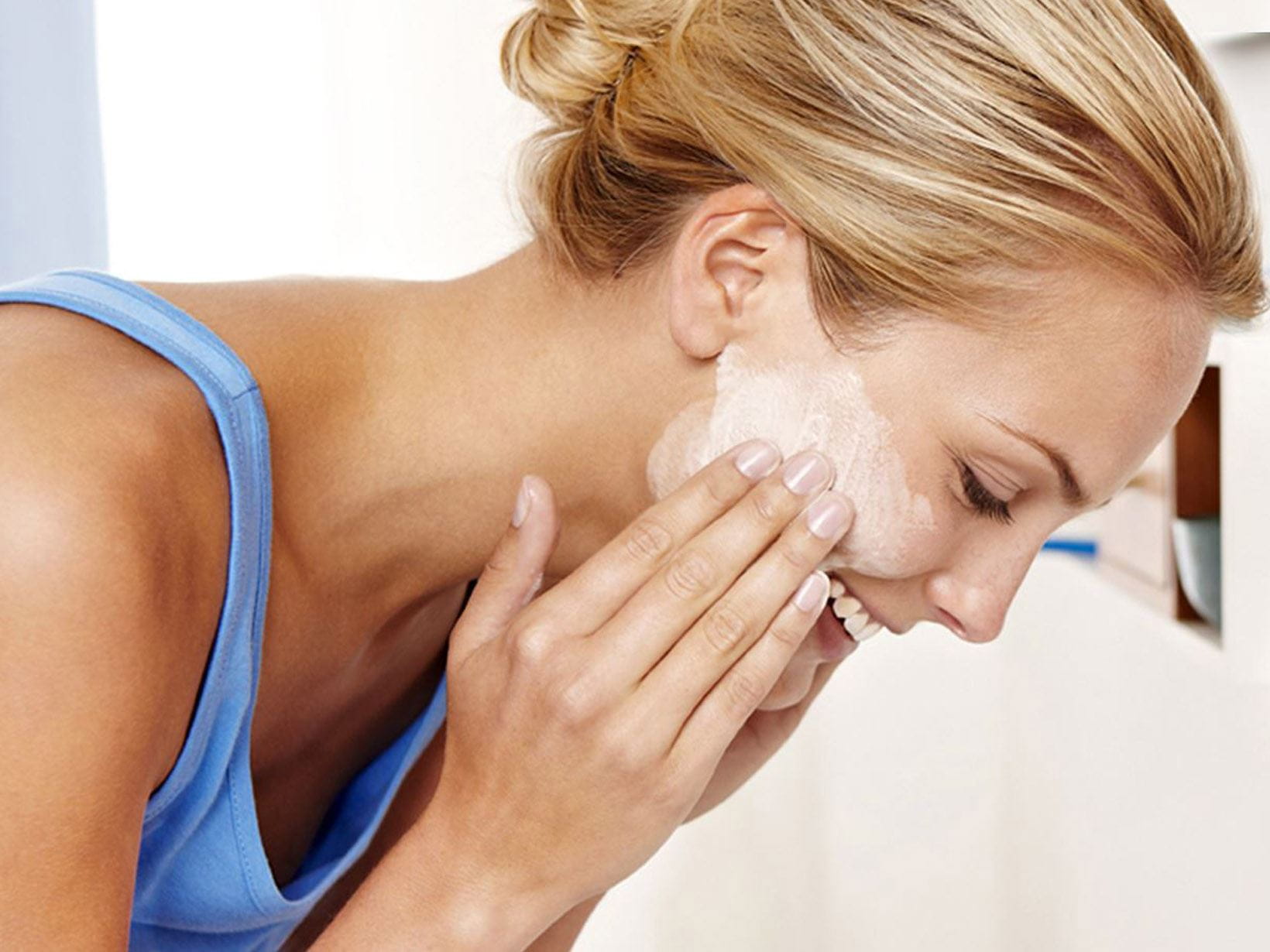
Facial scrub: skin care in three steps

Use a facial toner to tone your skin after you exfoliate and then use a day cream or night cream.

Spoilt for choice: finding the right scrub

Not every exfoliating scrub is suitable for every skin type. But which is the right one? You can make a rough distinction between natural and synthetic exfoliating scrubs. The best one for you depends on your own individual skin type.

Natural scrubs with fruit pips or sea sand

Mechanical peeling uses abrasive materials such as sand, ground apricots or silicone microbeads to gently remove the top callused layer of skin. That grey layer will disappear and the skin will once again look rosy and healthy. If you have sensitive skin, use extra gentle scrubs with very fine and rounded abrasives. 

For oily skin that is more prone to blemishes, a product with an antibacterial effect is more suitable. Anti-Blemish Daily Wash Scrub from NIVEA, with magnolia bark extract and fine exfoliating particles visibly refines the skin’s appearance.

The best time of day for a peeling

The best time of day to exfoliate

TIP: always exfoliate in the evening! This gives the skin enough time to recover, and you’ll start the next day with a radiant complexion.

Fruit acid peels – aid for blemished skin

Fruit acid peels or chemical peels work without any abrasives. They contain fruit acids as their active ingredients, such as alpha-hydroxy acids (AHAs), lactic acids or glycolic acids. These natural organic acids come from fruit and other plants and exfoliate your skin due to the reaction between the acid and the skin’s pH level. Fruit acid peels are especially suitable for acne, blemished and large-pored skin or pigment or age spots. Even small wrinkles or acne scars can be removed when applied regularly. 
Attention! Never perform a fruit acid peel yourself. It’s better to have a treatment in a beauty salon. And make sure you only ever have a fruit acid peel during the winter months, as it makes your skin much more sensitive to sunlight.

Gentle exfoliation with enzymes

An “enzyme peel” may sound somewhat synthetic, but the exfoliating effect is actually created through purely biological processes. Enzyme peels use the cleansing power of fruits: the fruit enzymes split protein elements and separate dead skin cells from the intact skin. As they only soften the top layer of skin, but don’t peel it off, enzyme peels are ideal for sensitive skin. 
Applying an enzyme peel is somewhat more complex: to ensure the enzymes can work properly, repeatedly lay a warm compress over the peel. Don’t use enzyme peels any more than once a month, as your skin needs enough time to regenerate after a treatment like this.

Sun after peeling

Beware of the sun!

Never go out in the sun immediately after you exfoliate. After fruit acid and enzyme peels, you should actually avoid sunbathing for up to four weeks. Find out more about sun protection for your face here.

How to use a facial scrub

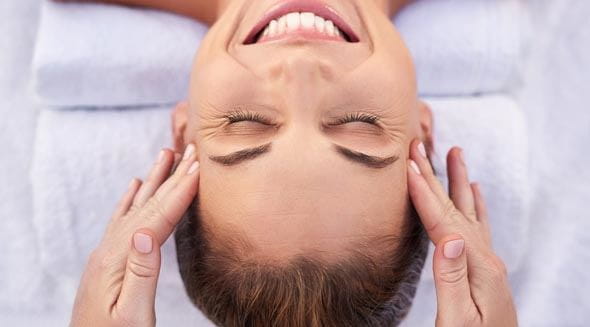
  • Use your fingers to apply the facial scrub to your forehead, nose and chin. 
  • Work your way from the centre of your forehead to your temples.
  • Rub gently from the bridge of your nose towards the tip.
  • Make more intensive circular movements in the area around the edges of your nose and very gentle movements on your cheeks. 
  • Work along your jawbone to your chin. 
  • Finally, move down your neck from your chin. 
  • Always make sure to avoid the eye and mouth areas.

A treat for the whole body

Exfoliating scrubs are available for the face, body, hands and feet. They all remove the horny skin cells, allowing the new, younger skin underneath to emerge.

Please note:

Attention! Never apply body scrubs to your face, as the rougher grains could severely irritate the thinner facial skin.

Show off your skin!

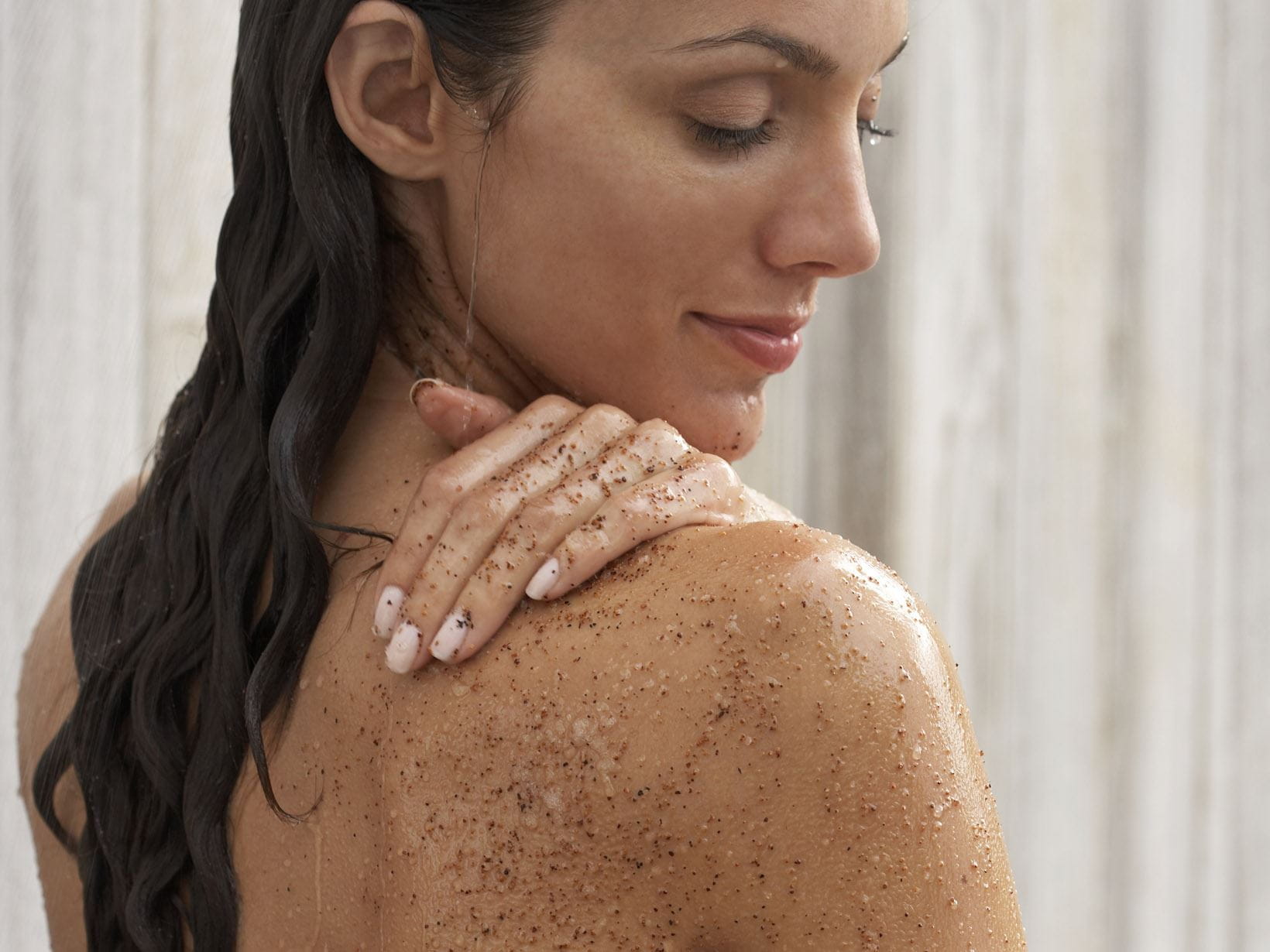
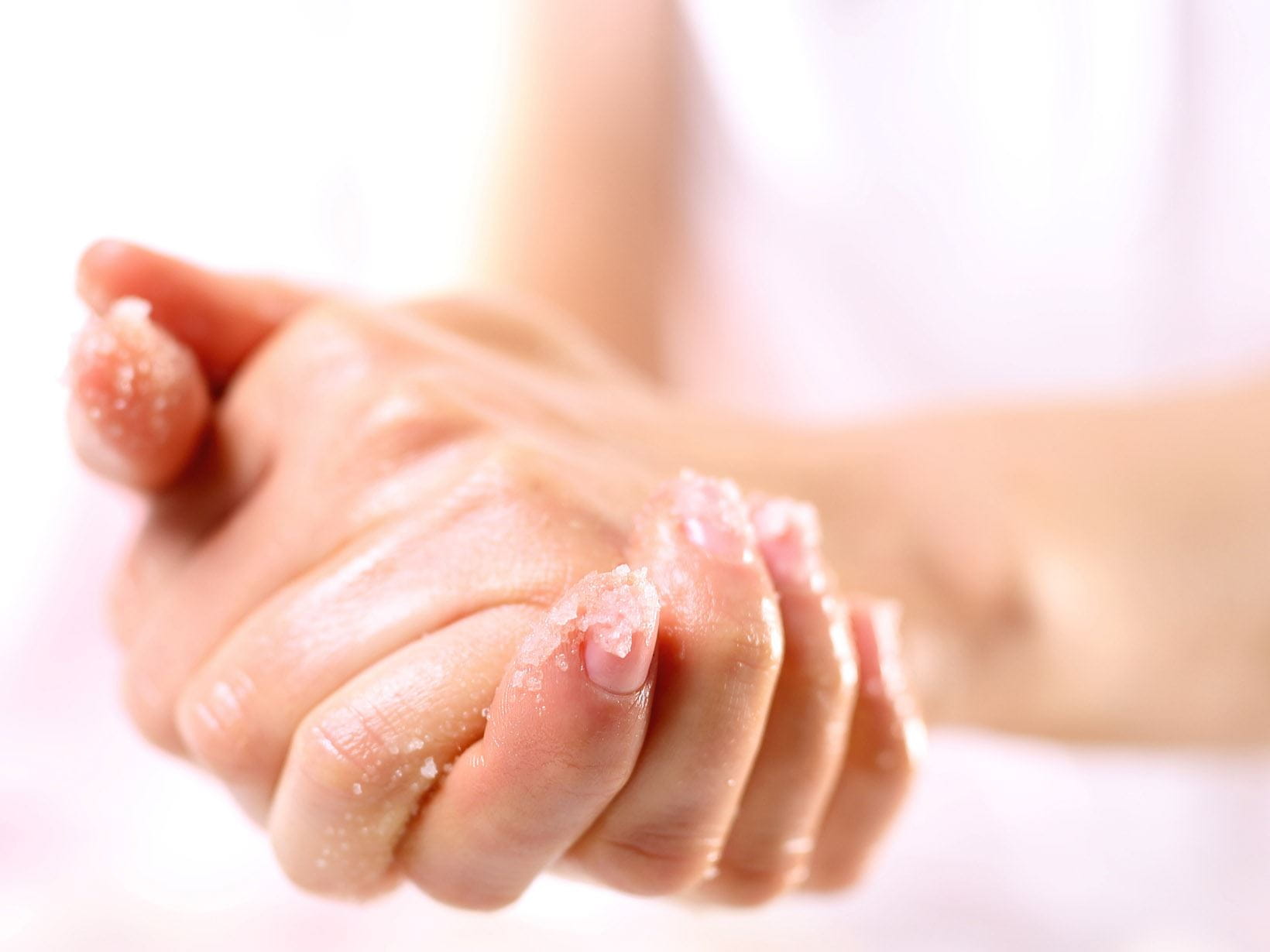
The grains of sea salt or nutshells in exfoliating body scrubs turn dry, raw areas of skin into beautifully soft zones. Moisturising oils provide your skin with hydration at the same time. Here’s how to do it: massage the scrub into damp skin in circular movements. For this, use NIVEA’s Creme Peeling Shower & Scrub, for example. Your knees and elbows need a particularly thorough treatment. You can also use a special exfoliating glove or brush for a body scrub. Be careful of your neck and upper chest area! The skin here is particularly sensitive and, like your face, needs extra gentle and fine-grained exfoliation. It’s best to simply include your neck and upper chest area in your facial exfoliation.

Exfoliating ritual for your feet

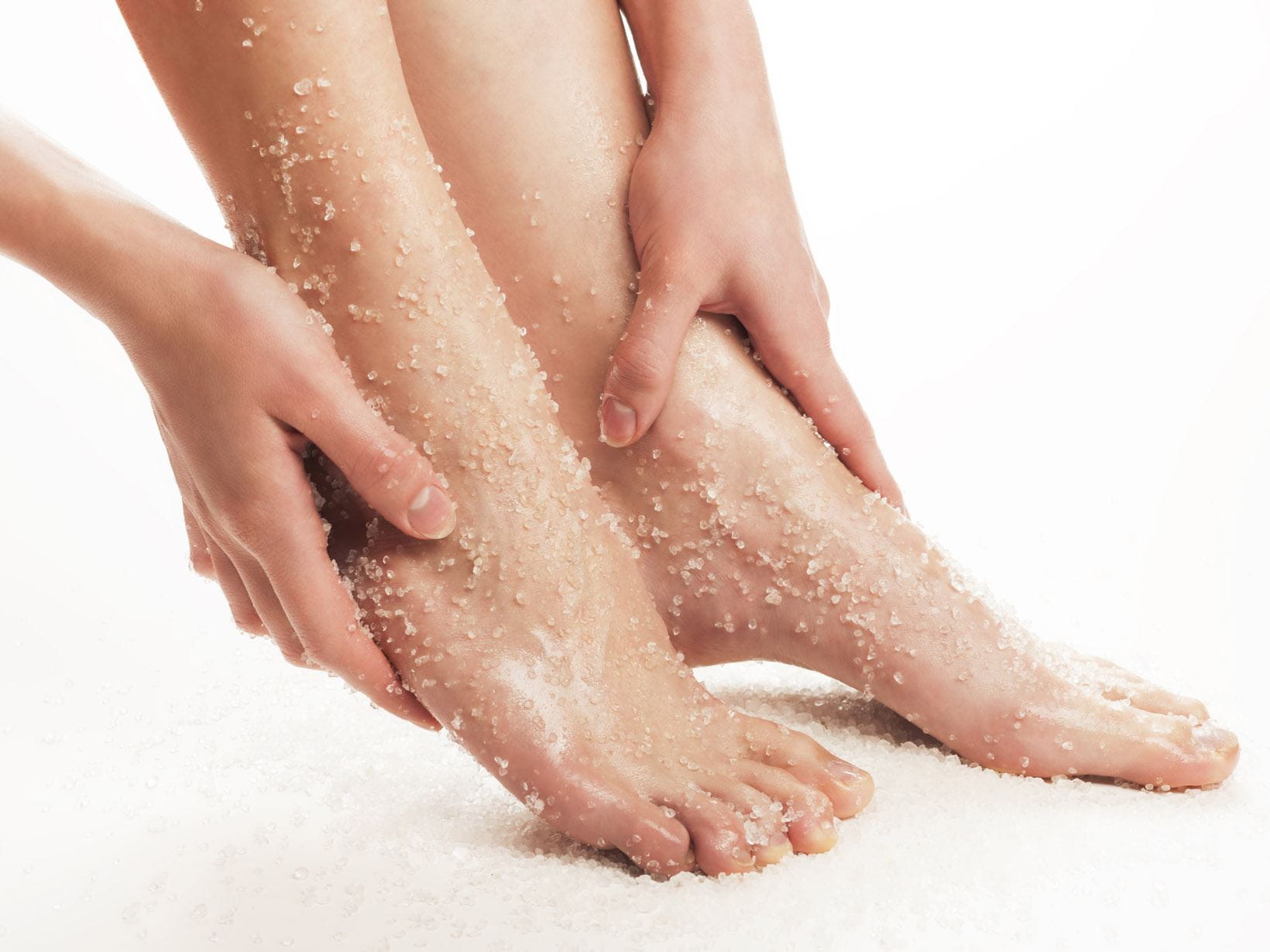
As soon as the temperatures start to rise again, women will want to put their feet on show again. But before we can do that, our feet need extra treatment: special exfoliating scrubs grind away the callused skin and smooth it with salt or sugar crystals. Here’s how to do it: take a 10-minute foot bath, massage the exfoliating scrub in thoroughly, then rub in plenty of cream after rinsing. Incidentally, walking around barefoot a lot is good for your feet. Find out more about caring for your feet here.
Feet peeling

Make your own exfoliating scrubs with ease

Self peeling

Suitable for every skin type

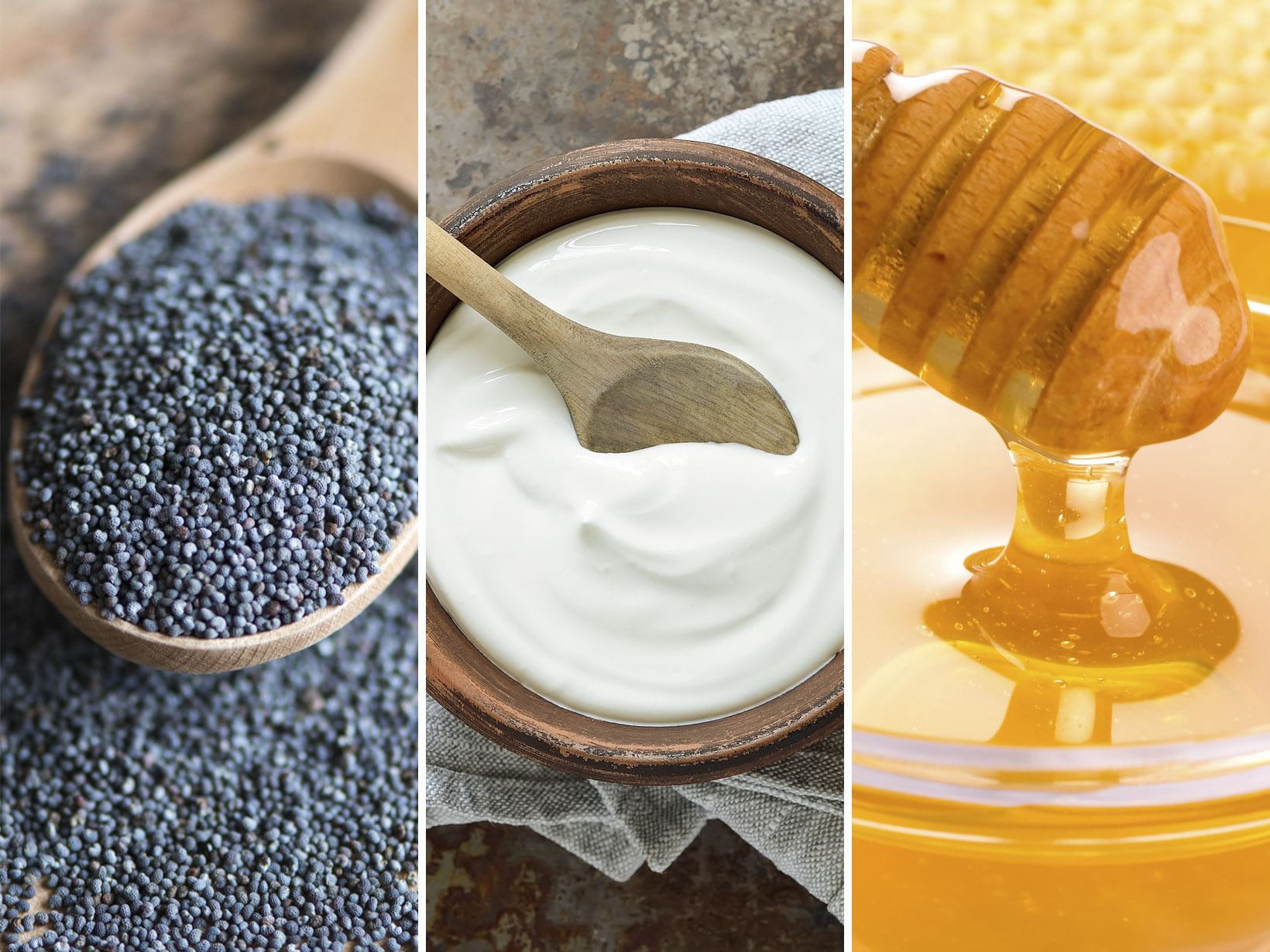
Even a home-made scrub should always be tailored to your own specific skin type. For example, sea salt and sugar are better for large-pored facial skin, whilst poppy seeds are better for sensitive skin. You can find out more home-made cosmetics here.

Effective exfoliation recipes from the kitchen

  • Yoghurt, honey and sugar scrub for blemished skin: the honey has an antibacterial and anti-inflammatory effect. 
  • Coffee scrub for all skin types: the caffeine is stimulating and promotes circulation to the skin. 
  • Oil and sugar scrub for dry and normal skin: olive oil and grape seed oil provide the skin with oil and moisture, particularly in winter. 
  • Yoghurt scrub for all skin types: the cool yoghurt has a particularly refreshing effect. Depending on your skin type, mix it with sugar, sea salt or poppy seeds.

Fusspeelings für weiche Fersen

Auch wenn wir unsere Füsse meist nur im Sommer zeigen – eine gründliche Pflege verdienen sie das ganze Jahr über. Hierzu gehört auch ein regelmässiges Fusspeeling.
Worauf muss ich bei einem Fusspeeling achten?

Spezielle Peelings für die Füsse sind sehr grobkörnig. Sie entfernen sanft überschüssige Hornhaut und glätten die Haut z. B. mit Salz- oder Zuckerkristallen. Achtung: Für die Anwendung am Körper sind diese Peelings ungeeignet. Die groben Peelingpartikel können zu Hautirritationen führen.

DIY-Rezept: Fusspeeling selber machen

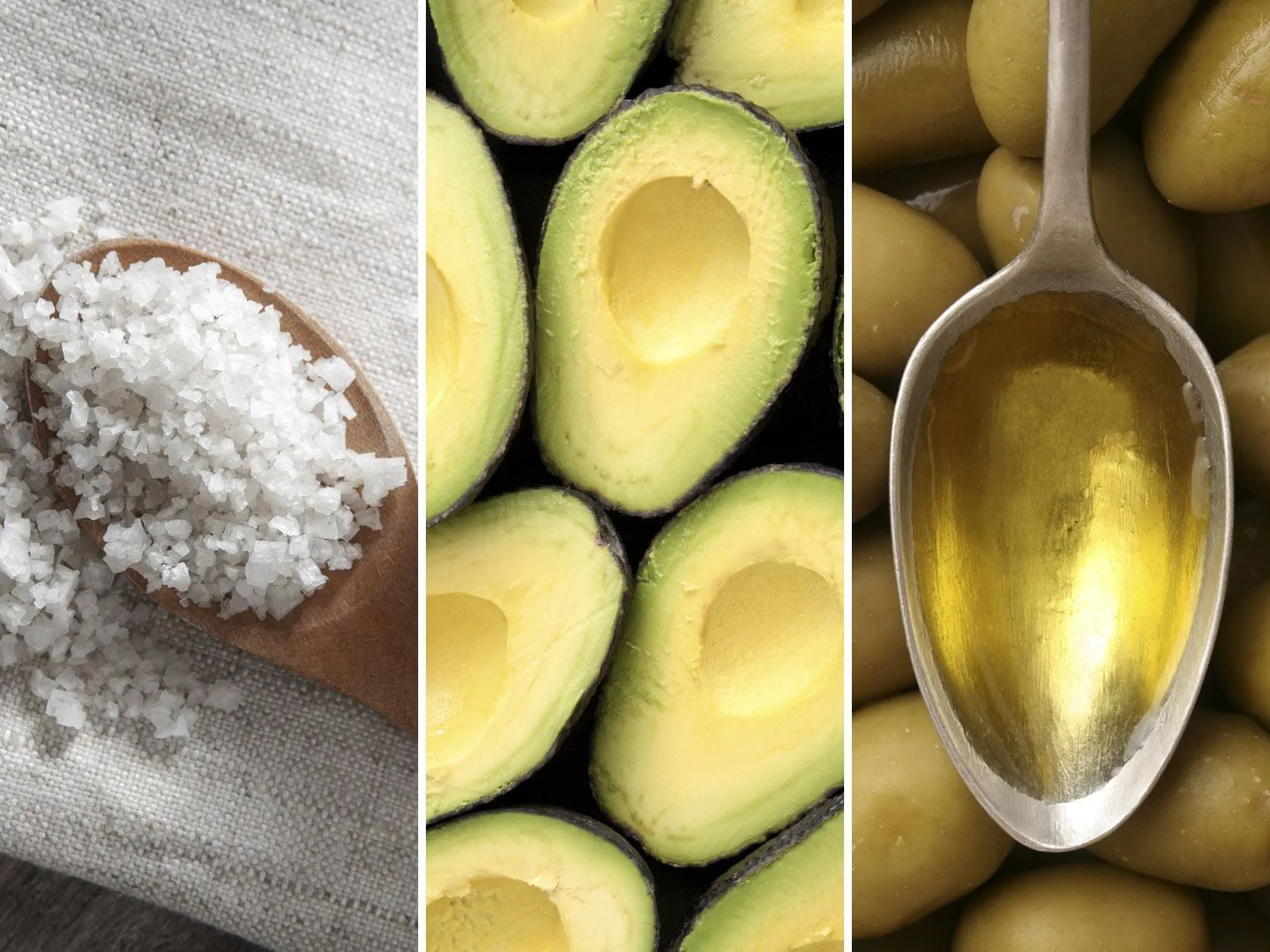
Zutaten: 2 EL grobes Meersalz, ½ Avocado, 1 EL Olivenöl. Zubereitung & Anwendung: Avocado-Fruchtfleisch mit einer Gabel zerdrücken. Öl und Salz unterrühren und auf die gereinigten Füsse auftragen, gründlich abwaschen.

Fusspeeling-Anwendung – so geht‘s:

  1. 10-15 Minuten ein warmes Fussbad nehmen.
  2. Peeling gründlich einmassieren, vor allem auf stärker verhornten Stellen – meist sind das die Fersen.
  3. Peeling mit lauwarmem Wasser abspülen.
  4. Haut und Nägel nach dem Abspülen gut mit Fusscreme eincremen.


Peeling-Alternativen für strahlend reine Haut

Auch mit Bürsten und Schwämmen können Sie die Haut intensiv reinigen und die Durchblutung anregen. Erfahren Sie hier, was Sie bei der Anwendung von Gesichtsbürste, Konjac- und Luffaschwamm beachten sollten.
Wofür ist ein Konjac-Schwamm gut?

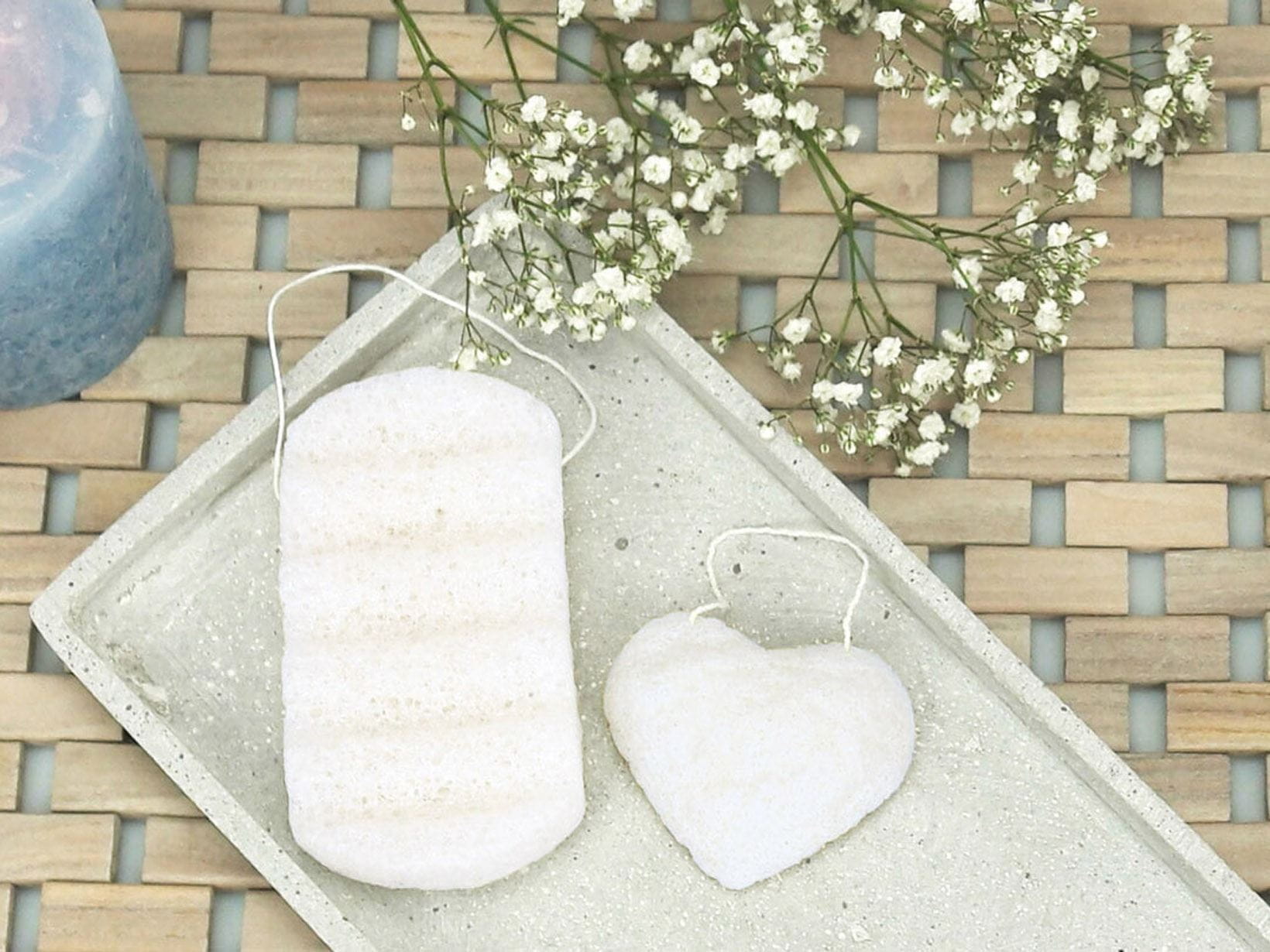
Der feinporige Naturschwamm entfernt Hautschüppchen schonend und hinterlässt ein wunderbar weiches Hautgefühl. Ideal für die tägliche Gesichts- und Körperreinigung mit sanftem Peeling-Effekt.

Was ist ein Luffaschwamm?

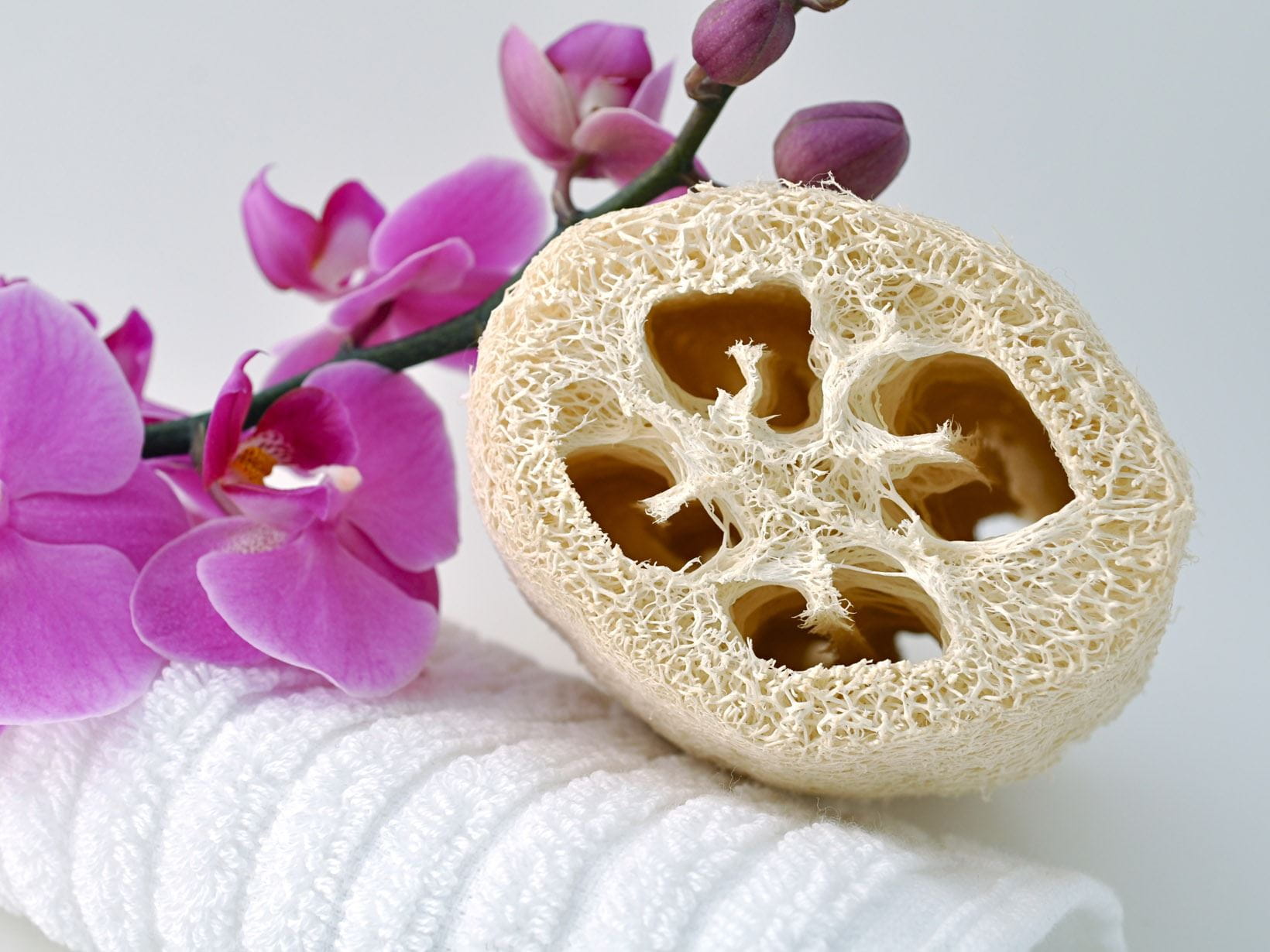
Ein Luffaschwamm – auch Schwammkürbis genannt – reinigt die Haut und fördert die Durchblutung. Erfahren Sie, wie der natürliche Duschschwamm funktioniert und wie Sie ihn richtig anwenden.